Neil Drury
Chesterfield Royal Hospital NHS Foundation Trust





The benefits of outsourcing learning and development are many and varied. And the decision to outsource is often viewed through a narrow lens, with cost reduction the primary driver.
In reality, most organisations are not outsourcing L&D simply to reduce spend. They’re doing it to improve capability, introduce flexibility and deliver learning that has clearer impact on the business.
As outlined in our guide to when it makes sense to outsource learning and development, the timing of this decision is important. Equally important however, is understanding what your organisation can gain when outsourcing is approached in the right way. This article explores the practical benefits of outsourced L&D services— beyond cost—that outsourcing learning and development can offer you.
One of the most immediate benefits of outsourcing is access to expertise you may not have at your disposal, internally.
Modern learning increasingly requires specialist capability, including:
Developing and maintaining this expertise in‑house can be resource‑intensive. For many organisations, it’s neither practical nor necessary to hold all of these capabilities internally. Especially when you don’t necessarily need them 24/7.
Working with an external learning partner allows you to draw on specialist skills when needed, without increasing permanent overhead.
You’ll know only too well, learning demand is rarely consistent.
Organisations may experience peaks driven by:
Maintaining an in‑house team sized for peak demand can be inefficient. Likewise, running below capacity during quieter periods creates its own challenges.
Outsourced learning and development gives you scalability. You can increase or decrease delivery in line with your business need—all without the constraints of a fixed resource model. This flexibility is one of the most practical advantages of outsourcing.
Internal L&D teams are often balancing multiple priorities. Even where capability exists, time constraints can delay the development and rollout of your learning programmes.
An external provider can bring:
At this point, the advantages of outsourcing training become clearer. your learning can often be designed and delivered more quickly, particularly for large‑scale or time‑sensitive initiatives.
For organisations operating in fast‑moving environments, this speed can be critical.
There’s a fair chance consistency could be a common challenge for you, particularly if you’re in a larger organisation or you operate across multiple locations.
Outsourcing can support:
An experienced elearning provider can typically bring structured methodologies and quality assurance processes, helping you to ensure your learning is delivered to both the highest and consistent standards.
This doesn’t replace internal oversight, but it can strengthen your overall delivery.
You may well have experienced increasing pressure to demonstrate business value.
An experienced digital learning partner can bring you:
This can help organisations like yours move beyond activity-based metrics towards more meaningful measures of impact.
For many, this shift is a key part of building credibility for L&D at senior levels—which leads to gaining more buy-in for larger or longer-term plans—and ultimately more success through the L&D function.
While cost may not be the primary driver, it remains an important consideration. The benefit of outsourcing is not simply lower cost, but more flexible cost structures.
Rather than maintaining fixed internal resource, you can:
This flexibility allows you to manage budgets more effectively while still delivering high‑quality learning.
Internal teams bring deep organisational knowledge. An experienced external provider brings something different: perspective.
At Dynamic, we’ve found working across multiple organisations and sectors allows us to:
When combined with your internal knowledge, this external perspective can supercharge both your strategy and delivery.
Obviously every organisation is different. The benefits of outsourcing are not universal. They tend to be most relevant in specific situations.
For example, for you it could be one of a combination of the following:
In the above scenarios, outsourcing often acts as an enabler rather than a replacement.
The value of outsourcing learning and development are clear but for many organisations, outsourcing is not a standalone solution.
It’s part of a broader approach to structuring learning and development.
As explored in our comparison of in‑house vs outsourced learning and development, many organisations adopt a hybrid model, combining internal ownership with external support.
This allows them to:
The result is a more adaptable, resilient—and often more efficient—L&D function.
After reading the above, it may not surprise you to hear that outsourcing delivers the greatest value when you approach it deliberately. By that we mean, being clear about your reasons, your objectives and how you intend to go about achieving them—aligned to your organisation’s overall vision.
Simply handing over delivery without clear objectives, governance or alignment is unlikely to produce the outcomes you are looking for.
The benefits outlined here really depend on:
Obviously the above depends on levels of trust in both sides of the partnership. But, from our experience, when these elements are in place and clarity is gained from quality conversations at the start, outsourcing can enhance both your capability and the impact of your learning.
If you have any questions at all about outsourcing your L&D function, contact us at Dynamic at any time.
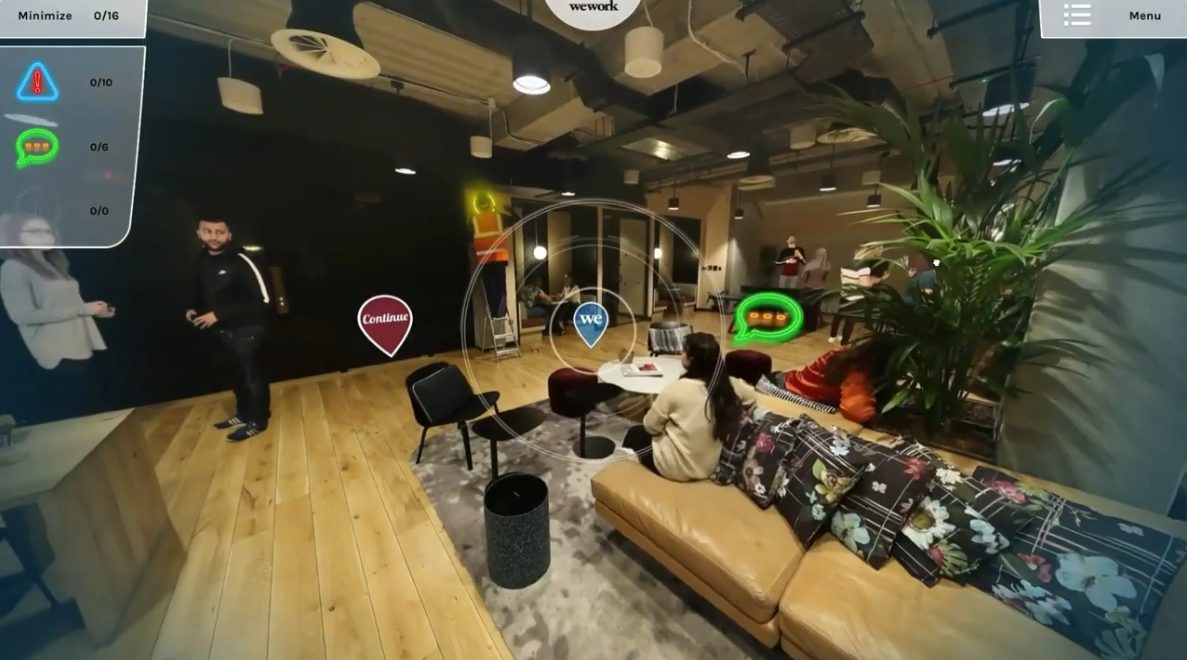
An example of one of Dynamic’s familiarisation modules, using a combination of actors within live footage, 360° film, motion graphics and interactive hotspots. Our full in-house capability makes it possible to deliver all this and much more for clients while they have one point of contact for everything.

The main benefits include gaining access to specialist expertise, scalable delivery, faster programme rollout, improved consistency and stronger measurement of impact.
No. While cost flexibility is a factor, organisations typically outsource to improve capability, increase flexibility and deliver more effective learning.
It can, particularly where external providers bring structured design methodologies, specialist expertise and quality assurance processes.
Organisations choose outsourcing to address capacity constraints, access expertise and align learning more closely with business needs.

“My organisation requires a periodic review of competitors to ensure we are getting best value, and no other organisation comes close. Fast response, knowledgeable, friendly and always helpful.”
“I’m so very proud of what we have achieved, with this. Amazing is an understatement!”

When clients choose Dynamic, they tend to stay with us. That’s because we’re as invested in your long-term growth through learning as much as you are. So as well as configuring the right approach to your learning needs, we’re always on hand to provide support to help meet all of your organisation’s learning ambitions.
Posted on Google
 Rehana Waraich10 August 2026
Trustindex verifies that the original source of the review is Google.
Overall, my experience with Dynamic LMS has been extremely positive. The platform is reliable, easy to use, and meets our organisational learning and compliance requirements very effectively. It offers excellent course management capabilities, useful reporting tools, and valuable features that support both learners and administrators. A key strength of Dynamic LMS is its customer support. The support representatives, together with the wider support team, consistently provide excellent service. Their patience, professionalism, responsiveness, and willingness to help have made a significant difference to our experience. Whether responding to general queries, assisting with system administration, investigating bugs, or providing workarounds and solutions, the support team always delivers a high standard of service. Dynamic LMS remains an excellent LMS solution that continues to meet our needs. I would highly recommend Dynamic LMS to any organisation looking for a dependable, user-friendly, and well-supported learning management system.Posted on Google Pete Radcliff31 July 2026We've had an excellent experience working with Dynamic and would have no hesitation in recommending them to any organisation looking for high-quality digital learning solutions. From the very beginning, the team demonstrated professionalism, creativity, and a genuine commitment to understanding our objectives. Rather than offering a one-size-fits-all solution, they took the time to understand our organisation, our audience, and the outcomes we wanted to achieve. Their collaborative approach made the entire process smooth and enjoyable. The quality of their work is outstanding. Every piece of digital learning they produce is engaging, visually impressive, and thoughtfully designed. It's clear that a huge amount of care goes into every detail, from the user experience and content structure to the final delivery. The end result is learning that not only looks fantastic but is genuinely effective and leaves a lasting impact. Communication throughout the project was first class. The team was responsive, approachable, and transparent at every stage, keeping us informed and welcoming feedback to ensure the finished product exceeded expectations. It was refreshing to work with a company that genuinely values collaboration and builds strong relationships with its clients. What really sets Dynamic apart is their passion for innovation. They are constantly looking for new ways to improve learning experiences and embrace emerging technologies where they add real value. Rather than following trends for the sake of it, they focus on creating meaningful solutions that deliver measurable results. It's also obvious that Dynamic has built a fantastic company culture. Their emphasis on integrity, continuous learning, teamwork, and personal development is reflected in every interaction with their staff. Everyone we dealt with was knowledgeable, enthusiastic, and clearly proud of the work they produce. If you're looking for a trusted partner to create engaging, effective, and professionally designed digital learning, Dynamic is an excellent choice. Their expertise, attention to detail, creativity, and customer-focused approach make them stand out in the industry. We look forward to working with them again in the future and would happily recommend them to anyone looking for world-class eLearning and digital learning solutions.Posted on Google
 Anne-Marie Burn13 March 2026Dynamic Business Services Ltd were fantastic to work with. They went above and beyond to help us create an e-learning module to train school staff on how to support young people’s mental health. Communication was excellent throughout the project. They were always responsive, happy to answer questions, and incredibly helpful in guiding us through the e-learning side of things, which was an area where we didn’t have much expertise. The final product is excellent and is now being used in schools across the country. It has even received an award from the University of Cambridge, which says a lot about the quality of the work. The team are clearly passionate about projects that help people and make a real difference. They were an absolute pleasure to work with and I would highly recommend them.Posted on Google
 Glenn Harris27 February 2026We cannot speak highly enough of Dynamic Business Services and the exceptional work they did in developing our Investigation Process eLearning course. From start to finish, the experience was nothing short of outstanding! What truly set Dynamic Business Services apart was their incredible patience and understanding throughout the entire project. They took the time to truly listen to our needs, asked thoughtful questions and never once made us feel rushed or pressured, even when we needed to make multiple revisions or clarify our vision. The team demonstrated remarkable professionalism and genuine care in every interaction. They were always available to address our concerns, explain technical aspects in terms we could understand and guide us through each phase of development with grace and expertise. Their patience was especially evident when we needed to adjust our requirements mid-project, they adapted seamlessly and maintained their positive can-do attitude. The final eLearning course exceeded our expectations in every way. It's engaging, user-friendly and perfectly captures the complexity of our investigation processes in an accessible format. Working with Dynamic Business Services felt like having a true partner invested in our success. Their combination of technical excellence, creative problem-solving and extraordinary patience made what could have been a stressful project into an enjoyable collaboration. We wholeheartedly recommend Dynamic Business Services to anyone seeking a reliable, patient and highly skilled eLearning development partner or even if it is just their video work. We look forward to working with them again on future projects! Thank you, Dynamic Business Services for your outstanding work and unwavering support!Posted on Google
 Raisa Pathan11 February 2026Excellent service from start to finish. The extensive training and support provided as a group and one to one support throughout the move to the Dynamic LMS which has continued since the launch.Posted on Google
 Chelsea Harrison26 November 2025The Dynamic team are so professional and always assist with any queries which come to light. They always take on board any ideas which can be utilised to improve the system for the end users and provide you with updates on where they are up to. You are always kept in the loop of when there are updates that are going to be implemented and provided with a breakdown of the improvements. The team can not be faulted in any way they are amazing to work along side of.Posted on Google
 Maureen Ross11 October 2025Our Cancer team in the NHS had the pleasure of working with Dynamic, and we couldn’t be more impressed. They delivered four high-quality training modules that incorporated the most up-to-date online learning techniques. From the start, they listened carefully to our requirements and tailored the content to meet our needs. The team was professional, responsive, and an absolute delight to collaborate with. Highly recommended for any organsation seeking innovative and effective training solutions.Posted on Google
 Cameo Bondy4 August 2025Dynamic is a very cost effective LMS in comparison to others on the market. Their customer support is absolutely 5 star, they are very responsive and can support you at whatever pace you need. They are very open to finding a solution you need or a work around if you need something a little different. You can brand the LMS to match your business and create a smooth experience for the user.Posted on Google
 Ebru Tenekeci1 August 2025Reliable and User-Friendly LMS Backed by Great Support and Excellent Performance We’ve been using Dynamic LMS for over 10 years and remain very happy with the platform. The value for money is excellent, and the customer support has always been responsive, knowledgeable, and easy to reach. The system is very easy to use, which has made it accessible for both staff and learners. Its course management features are intuitive and flexible, allowing us to tailor learning pathways effectively. We also appreciate the way it supports student and teacher interaction, helping to create a more engaging and collaborative learning environment. Importantly, the platform has been reliable with minimal bugs or issues, which gives us confidence in its long-term stability. Overall, Dynamic LMS continues to be a trusted and effective solution for our organisation. Overall, our experience with Dynamic LMS has been extremely positive. The platform has consistently met—and often exceeded—our expectations over the past 10 years. We are very satisfied with its performance, reliability, and the quality of support provided, and we look forward to continuing our successful partnership.Posted on Google
 Heather Poxon21 July 2025From the start of working with Dynamic, I have found Dan and Tom very professional, and yet accessible and friendly in their approach. They have both responded quickly to any email communication and have remained flexible where we have needed to make changes – sometimes fairly late on in the process. This has been very much appreciated and helped take any stress or concern out of our partnership. I have also appreciated the creativity and quality of the production and the way they have listened to, and heard the preferences that we have had, when it came to narrative and graphic design. They understood and were able to perfectly capture what we were looking for in a way that we (I) couldn’t have expressed. My grateful thanks for your patience and understanding. It has been a real pleasure to work with you.Posted on Google
 Jean Frew16 June 2025Great service with knowledgeable & professional staff. They are happy to work with us to find appropriate solutions and advise on methods of working to utilise the LMS to it's fullest capacity.Posted on Google
 Tove Tullberg30 May 2025I'm very pleased with the services provided by Dynamic. The entire project was well-organized from start to finish, and the team was incredibly accommodating throughout.Posted on Google
 tony bynon28 March 2025The sales and development team at Dynamic have been an absolute pleasure to work with. Not only have they been timely and efficient with their responses and overall delivery of the projects…it is clear that they share strong values about how they work with and support their clients. Without exception, every meeting and interaction has been conducted with professionalism and a personal touch that makes you feel truly, valued by their business. It is no surprise to see a business that is built on these principles thriving in a very challenging market and I would fully endorse them to any business looking for a creative and effective way of driving performance. Tony Bynon. Product and Sales Training Manager. HeadlamPosted on Google
 timgraveney19 March 2025Representing a leading independent healthcare company with presence in the UK and the US, I have had the privilege of working with Dan Blades and the fantastic creative team at Dynamic over a number of years now. In every project they deliver results that surpass the last, and it's almost true to say that we have 6k colleagues who look forward to their annual ethics and compliance training - no mean feat. Even better is the experience of working with this happily, family-steered business - it's a superb atmosphere to be around, and the result is great team work harvesting the ideas of individuals. I wouldn't hesitate to recommend them to anyone; whatever you perceive your project to be, they will take it to another level - and you'll enjoy the experience. First class. Refreshing. Different.Posted on Google
 Karl Cheek17 March 2025I have worked with Dynamic on a variety of different digital learning projects over the years and continue to be impressed by their expertise, flexibility and creativity, resulting in learning solutions that are not only engaging but also highly effective. Projects were sometimes quite complex and of a technical nature, and the Dynamic team always took the time to understand and learn, demonstrating their professionalism, reliability, patience and commitment to delivering projects on time and to the highest standards. Their approach and attention to detail have significantly enhanced the quality and impact of our training initiatives. It is a privilege to collaborate with such a dedicated and proficient team, and I wholeheartedly recommend their services to any organisation seeking superior eLearning solutions.Posted on Google
 kirsty lowery-richardson25 September 2024Working with Dynamic in my role at The College of Paramedics is tremendously enjoyable. Lisa and the team are unwaveringly professional and have enabled us to create some brilliant resources for our members. With amazing vision and a really pragmatic approach, the team exude passion and innovation, I cannot recommend them highly enough.Posted on Google
 Alexandra Close12 June 2024Working with Dynamic has been an exceptional experience for us at the Zero Suicide Alliance. Their creativity and expertise have been invaluable in helping us develop comprehensive suicide prevention and awareness courses for a diverse range of groups. The team at Dynamic are not only highly skilled but also incredibly dedicated and passionate about the work they do. Their innovative approach and attention to detail have ensured that our training courses are both engaging and effective. We are immensely grateful for their partnership and highly recommend their services to anyone looking to create impactful educational content.Posted on Google
 Carly Beach14 May 2024I have worked with Dan and the Dynamics team to develop e-learning to support with learning development at the ECB. Dan and the team were fantastic, nothing was too much trouble, they were efficient and catered for all of our requests. The finished product is an easy to use, accessible and interactive learning offer.Posted on Google
 Netty Cracknell2 May 2024Great organised company with smooth processes. Work was of great quality, on budget and within project plan timescales. Highly recommend.Posted on Google
 Savita Mason20 March 2024We have worked on and completed a bespoke eLearning package with Dynamic and they have been absolutely brilliant. The communication and support has been great. Would not hesitate to recommend.Posted on Google
 Rachel Wakelin27 February 2024I have worked with Dynamic for just over a year now, they have been creating bespoke eLearning for us. Dave who has been leading the projects has been fantastic, he is responsive, manages the time frames brilliantly, knowledgeable about e Learning and content creation, ensuring that the end user gets the best experience and comes away from the training with the key learning objectives. Thanks all, your help and support has been much appreciated, we will be back :-)Posted on Google
 nigel chamberlain26 February 2024Excellent business to work with and delivered a 1st class product.Posted on Google
 Katie Jepson26 February 2024We have worked with Dynamic on two projects and they have been absolutely fantastic. They have designed and built two 2 e-learning modules and the project managers assigned to both projects have been organised, approachable and flexible throughout the whole project. Both courses have been exemplar and when we have encountered any issues, they have resolved them straight away, even extending their time working on the project to ensure it meets our accessibility standard requirements. I would recommended Dynamic to design and build e-learning modules and hope to work with them again in the future.Posted on Google
 Farzana Rajabaly22 February 2024best providerPosted on Google
 Gavin Heryng9 February 2024Dynamic have proven to be a reliable partner is developing eLearning solutions, consistently delivering excellent services and products. Highly recommended for a professional yet friendly service.Posted on Google
 Karen Polymniou8 February 2024I wholeheartedly recommend working with Dynamic. Over the past year they've set up our new LMS, trained our team and worked with us to design new training. They're friendly, flexible, customer-focussed and always quick to respond. A pleasure to work with.Posted on Google
 Abigail Alcock6 February 2024The team at Dynamic are amazing, always on hand to support where needed. The communication between both parties is great, both whilst working on projects for content creation, as well as the general LMS platform provider. Happy to be a part of our longstanding partnership with Dynamic and continue to look forward to working together on bespoke content creation in the future.Posted on Google
 Matt Denney6 February 2024The Dynamic team are simply brilliant! From the very first meeting with them, right through to the finished product, as a customer you really feel listened to! Always included through all stages of the design and build, and the quality of the finished product is something I have never seen from any other e-learning package - genuinely exceeded all of my expectations!Posted on Google
 Andy S6 February 2024A great team with a sharp attention to detail. Their work on bespoke content is second to none. Would highly recommend.Posted on Google
 Julian Bates2 February 2024Such a high quality and attentive team from start to finish. Many ThanksPosted on Google
 Michael Esau1 February 2024I am a great believer in advocacy. However - you only achieve that through reliability and consistency. I was a customer of Dynamic for about 7 years and over the last 10 years a keen partner and supporter. Simply a great organisation, incredibly reliable who consistently deliver great work. They are super talented and massively customer centric. Delighted to recommend.Posted on Google
 Carl McFarlane1 February 2024The team at Dynamic is brilliant, from initial concept to creation, deployment and subsequent support of some truly immersive, impactful learning resources. Huge thanks to everyone involved.Posted on Google
 - BnQE -24 April 2020Great Service --- will recommend anytime, anywhere to anyone !!!Verified by TrustindexTrustindex verified badge is the Universal Symbol of Trust. Only the greatest companies can get the verified badge who has a review score above 4.5, based on customer reviews over the past 12 months. Read more
